Manchester, Leeds and Liverpool property investment is drawing fresh scrutiny in 2026, as a £45bn rail commitment, large-scale regeneration and rental yields well above the national norm line up behind the three cities. For landlords deciding where to put capital next, the question is less whether a northern growth story exists than how much of it the numbers can support.
Forecasts from Savills and JLL point to the region outpacing the UK. But the projections vary widely, and the cost of adding a property to a portfolio has not got any cheaper.
The forecasts behind the northern growth case
Savills’ regional forecasts put five-year price growth for the North West at 11.7 per cent or more. Some forecasts go considerably further, putting cumulative North West growth at up to 29.4 per cent by 2029, more than 1.5 times the projected UK average of 17.9 per cent.
JLL expects Manchester alone to deliver cumulative growth of 8.9 per cent to 2027. The city has also topped England’s city investment rankings in Colliers research.
The income side is the sharper draw. Gross yields across the three cities are commonly put at between six and nine per cent, against a UK-wide average that typically sits in the low-to-mid single digits.
How Manchester, Leeds and Liverpool property investment stacks up
In Manchester, market estimates put the average M1 city centre price at around £239,700, with gross yields of about 6.4 per cent. Salford offers roughly 8.3 per cent on an average price near £228,000, while student-heavy Fallowfield reaches about 9.1 per cent.
Demand has a demographic engine. The city’s population has passed 500,000, with 37 per cent aged 18 to 34, and a further 56,000 residents are forecast by 2034. The £2bn Old Trafford redevelopment, Victoria North, St John’s, Greengate and the 20-acre NOMA scheme are adding homes and jobs together.
Leeds sits in West Yorkshire rather than the North West, but behaves as part of the same corridor for portfolio purposes. Its South Bank, a 100-hectare extension of the city centre from Holbeck to Leeds Dock, now accounts for roughly a third of new residential development in the city, and yields there reach up to 8.8 per cent against six to 6.5 per cent city-wide.
At its heart is Aire Park, a £1.5bn masterplan from Vastint UK bringing 1,400 homes and more than 800,000 sq ft of Grade A offices. Two-bedroom flats typically let for £1,350 to £1,500 a month. Leeds has form, too: it was among the strongest-performing cities for price growth since 2021.
Liverpool remains the income play. City centre asking prices average around £175,900, and yields in L1 are quoted at up to 10 per cent, though the overall average is put at five per cent plus. Prices rose 76 per cent between 2012 and 2024.
Liverpool Waters, billed as the largest regeneration scheme in the country at £5.5bn, spans 150 acres of waterfront including Everton FC’s new stadium, alongside Pumpfields (£2.5bn), the Knowledge Quarter (£1bn plus) and the Baltic Triangle.
Rail, rates and the cost of getting in
The common thread is Northern Powerhouse Rail, the £45bn programme the government confirmed in January 2026 to link Liverpool, Manchester and Leeds. Yorkshire upgrades come first, then a new Manchester Piccadilly to Liverpool line via the airport, with a Bradford to Huddersfield route in the 2040s. So far £1.1bn has been committed to design and preparatory work, with construction due to start after 2030.
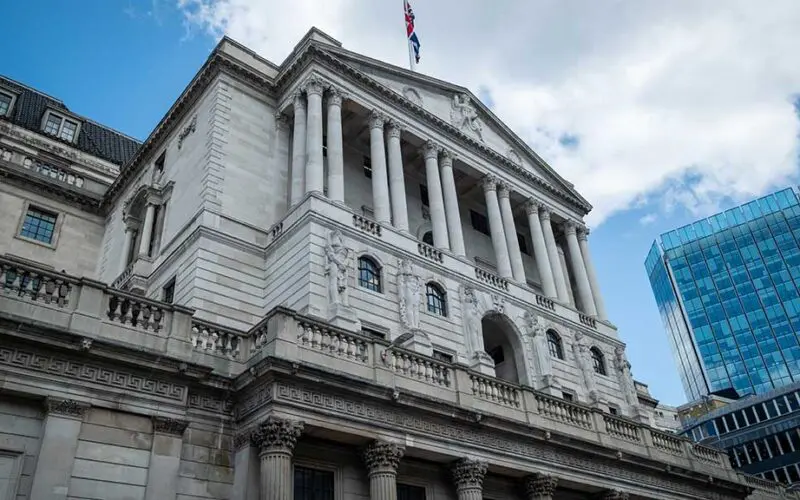
Financing has steadied rather than eased. The Bank of England held Bank Rate at 3.75 per cent at its July 2026 decision after a run of cuts, and buyers in England still face the five per cent stamp duty surcharge on additional homes on top of standard rates.
Much of the activity in these cities is off-plan, where deposits of 20 to 35 per cent are typically staged through reservation, exchange and completion. Entry prices for a studio or one-bedroom unit start at roughly £150,000 to £190,000 in Liverpool or Manchester, with Leeds city centre slightly higher. Build delays, developer solvency and a market that turns before completion are the risks to price in.
What this means for investors
The northern case rests on three supports: yields that still cover financing costs, regeneration that is visibly under way, and a rail programme whose construction will not begin until the 2030s. Investors buying now are paid on the first, can see the second, and are taking a long view on the third.
That argues for stress-testing deals on current rents and rates rather than headline forecasts, with voids, service charges and stamp duty costed from day one. Those who pick the right postcode and developer stand to benefit most if the rail and regeneration pipeline delivers on schedule.