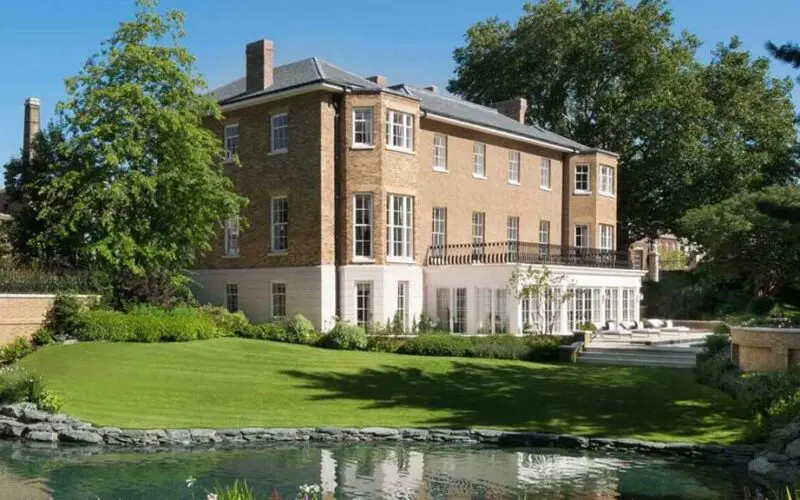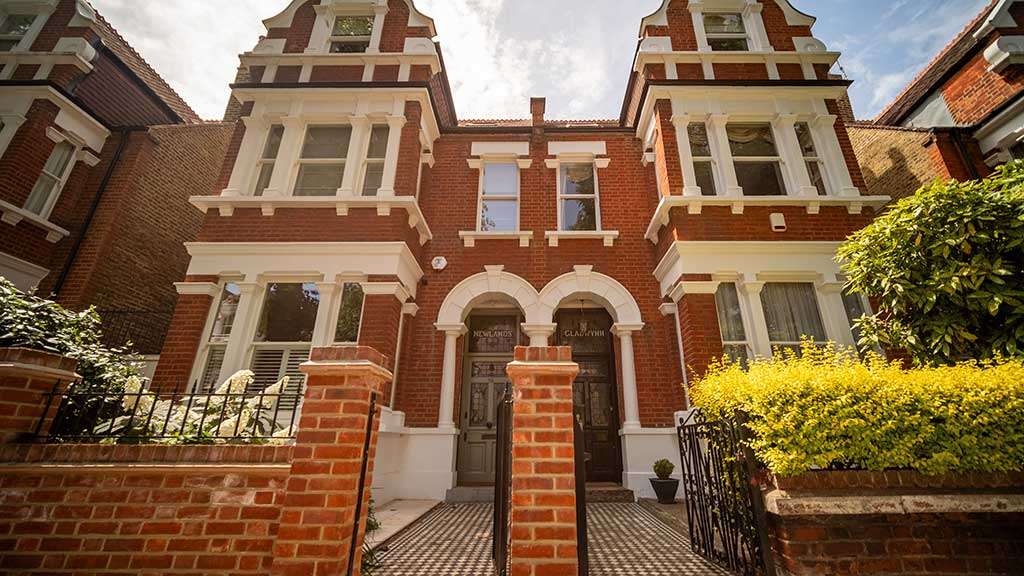
Four of London’s wealthiest boroughs have turned on the mansion tax on £2m homes, telling the chancellor, John Healey, that it is the worst-designed property levy since William III began charging households for their windows in 1696.
For investors holding high-value stock in prime London, the stakes are concrete: annual bills of up to £7,500 per property from April 2028, concentrated in the postcodes where values are highest.
Wandsworth, Kensington and Chelsea, Westminster and Richmond have written jointly to the chancellor to oppose the tax. They calculate that their residents will have to find £270m a year between them, more than half of the £400m the Office for Budget Responsibility (OBR) expects it to raise.
How the mansion tax on £2m homes will be charged
The levy’s official name is the high value council tax surcharge, and the government’s consultation on the surcharge confirms it applies to England. It will be charged in four bands.
Homes valued between £2m and £2.5m will pay £2,500 a year, rising to £3,500 for those worth £2.5m to £3.5m. Properties between £3.5m and £5m face £5,000, while anything above £5m pays the top rate of £7,500.
The fiscal watchdog’s costing of the high value surcharge estimates that more than 165,000 homes will be caught, most of them in London.
According to the Institute for Fiscal Studies, nearly 24 per cent of homes in Westminster and 30 per cent in Kensington and Chelsea are worth more than £2m.
Wandsworth, at 4.4 per cent, and Richmond, at 6.1 per cent, also sit far above a national average of less than 1 per cent.
A levy with 17th-century echoes
Peter Graham, Wandsworth’s cabinet member for finance, said: “This is the most badly designed tax on properties since the one on windows, 330 years ago.”
The historical parallel is pointed. The window tax, levied on homeowners in England and Wales, began at four shillings a year for homes with 10 to 20 windows and eight shillings for those with more than 20.
Owners bricked up windows or built gloomy houses to escape it. As rates climbed and the window threshold fell, the result was dingy, poorly ventilated homes that spread disease, and a national campaign led by medical professionals eventually saw the tax scrapped in 1851.
The boroughs warn that the modern version could prompt its own avoidance tactics, with owners trying to push valuations down artificially. Their letter brands it “a badly thought-out policy: one with limited revenue-raising ability, high implementation costs and a hugely disproportionate impact on our residents.”
Asset-rich, income-poor owners in the firing line
The councils argue that high values are a poor proxy for wealth. A home, the letter says, is “the centre of family life, not an untapped tax stream”, and some owners “will be forced to sell the family home simply to meet the tax.”
Elizabeth Campbell, leader of Kensington and Chelsea council, said: “It lacks nuance and will hit pensioners, families and long-standing residents whose homes have risen in value while their incomes have not.”
Gareth Roberts, Richmond’s leader, accused the government of treating residents as “cash cows” to plug funding gaps elsewhere in the country.
On the mechanics, HM Revenue and Customs chief executive John-Paul Marks said on 9 September 2026 that affected owners should have six months to appeal before the charge takes effect. He added that an extra 300 staff would join its valuation department to handle checks and appeals.
The Treasury is unmoved. “This tax is expected to raise more than £400 million a year to help to fund public services and it will address a longstanding unfairness in our country, where a Band D home in Darlington or Blackpool pays more in council tax than a £10 million mansion in Mayfair,” it said.
Awkwardly, the prime minister, Andy Burnham, dismissed the idea of a mansion tax as the “politics of envy” during his 2015 bid for the Labour leadership.
What this means for investors
The letter is unlikely to kill the surcharge before April 2028. Speculation alone has already chilled demand for high-end homes, and the prime market has little slack left after years of tax changes dragging down prime London prices.
Holders of stock valued just above a band threshold, particularly £2m, are most exposed, and the six-month appeal window will matter far more than the headline rates suggest. Expect pricing pressure around each threshold.
Longer term, the row feeds a wider debate about how property is taxed, including calls for a single annual property value tax. Investors in prime London should build the charge into yield and exit assumptions now, rather than bank on a U-turn.