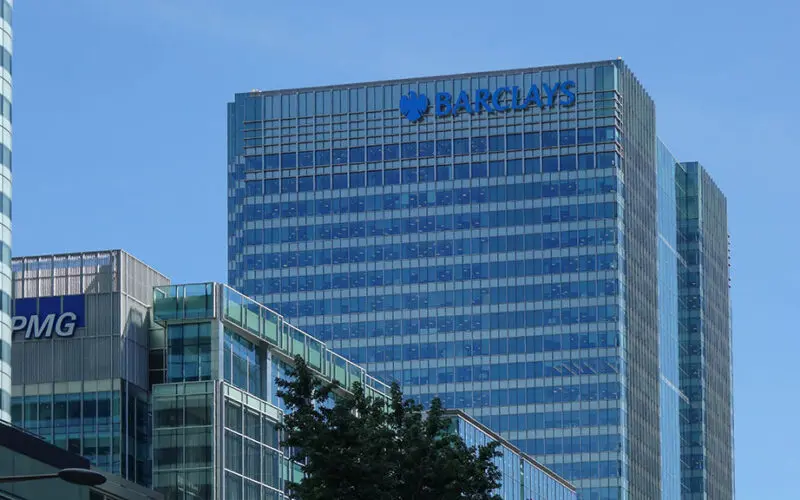
JP Morgan Chase has overcome one of the most significant obstacles to its planned £3bn London headquarters after reaching agreement with London City airport on the height of what will become Canary Wharf’s tallest building.
The American banking giant, which first unveiled its ambitions for the Docklands skyscraper last November, has been locked in discussions with airport officials over building height restrictions. Canary Wharf sits just four miles west of City airport, placing any major development firmly within the airport’s safeguarding zone, a 10-kilometre radius within which officials must be consulted to ensure new structures do not compromise flight paths.
The two parties have now agreed that the tower can rise to 265 metres, comfortably surpassing One Canada Square, the district’s current tallest building at roughly 235 metres, which counts Bank of NY Mellon and Spain’s BBVA among its tenants.
For property investors watching the Docklands market, the sheer scale of the project is noteworthy. The tower is expected to deliver approximately 279,000 square metres of office space, around 3 million square feet, and will accommodate more than half of JP Morgan’s 23,000-strong UK workforce.
With the airport agreement now in hand, the bank is understood to be finalising its designs ahead of a formal planning application, which could be submitted in the coming weeks.
The economic case for the development is considerable. One assessment of the construction phase alone estimates the project could contribute nearly £10bn to the UK economy over six years whilst creating approximately 7,800 construction-related jobs, figures that will be closely scrutinised when the planning application reaches Tower Hamlets council.
However, the scheme is not without controversy. Documents produced by Tower Hamlets council suggest JP Morgan has sought a discount on its business rates, a request that may raise eyebrows given the bank reported net income of $57bn (£43bn) in 2025. The question of what financial incentives have been offered to secure the investment is likely to attract further attention as the planning process unfolds.
Jamie Dimon, JP Morgan Chase’s chief executive, first disclosed the tower plans last November, just hours after the banking sector emerged unscathed from the chancellor’s budget. The timing did not go unnoticed.
For the Canary Wharf estate, which has been working to reinvent itself following the departure of HSBC for a new City of London headquarters, landing JP Morgan as a long-term anchor tenant represents a significant vote of confidence. The tower would not only reshape the district’s skyline but could also trigger a fresh wave of investment in surrounding commercial and residential property.