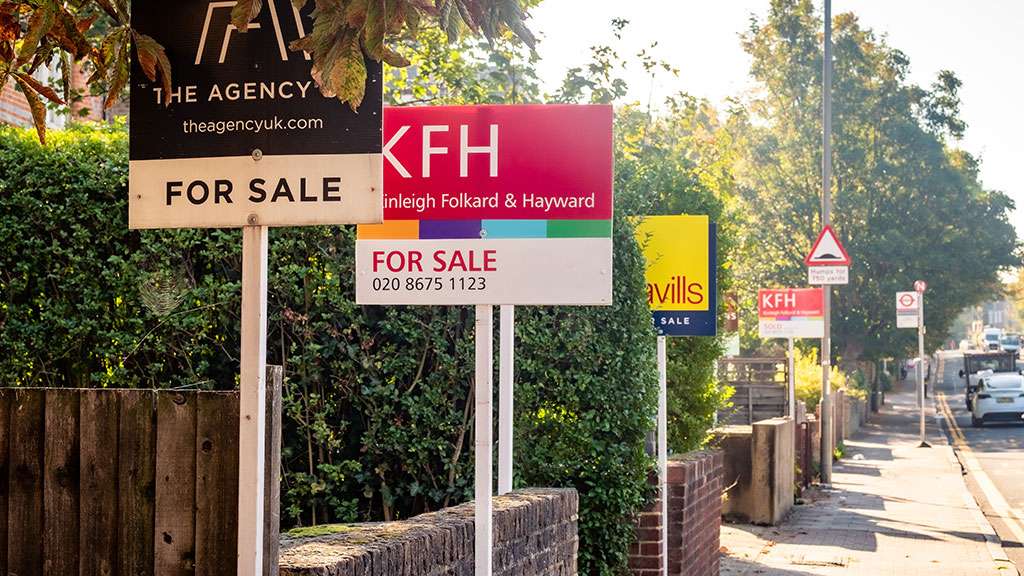
Three in every five homes put up for sale since January are still looking for a buyer, according to fresh figures from the property portal Zoopla, as stubbornly high mortgage rates continue to sap the confidence of would-be purchasers.
A shortage of demand, combined with a stubborn streak of optimism among sellers who have set punchy asking prices, has left a growing backlog of unsold stock across swathes of the country. Agreed sales were 7% lower than a year earlier, Zoopla said, though the national average masks sharp regional contrasts: transactions fell 12% in Wales and 11% in the East Midlands, while parts of the north held up far better.
First-time buyers, who lean most heavily on borrowing, have borne the brunt of the squeeze. There are, however, early signs of relief as lenders compete more aggressively and trim their rates.
The pressure intensified in April, when a jump in mortgage rates, triggered by the financial turbulence surrounding the US-Israeli conflict with Iran, added an average of £125 a month to a typical mortgage at its peak compared with January. In London, where loan sizes are larger, the increase reached £232 a month for the average first-time buyer.
The average two-year fixed rate climbed from 4.83% at the start of March to a peak of 5.90% on 12 April, according to the financial data service Moneyfacts, before easing back to 5.54%. That spike was a significant factor in dragging buyer demand across the UK down 15% year on year, according to Zoopla’s latest House Price Index, which tracks the market to the end of May.
The strain was far from uniform. In the north east of England, mortgage costs for first-time buyers rose by just £66 a month over the same period, helping to keep that market moving.
“The national picture can only tell you so much,” said Richard Donnell, executive director at Zoopla. “For sellers still waiting for an offer, the conversation to have is about price. Correctly priced homes are selling, while overpriced homes are sitting.”
He was keen to stress that the recent direction of travel on rates favours buyers. “For buyers, rates are falling, there is more choice of homes for sale than a year ago and motivated sellers are willing to negotiate. If you are ready to move, conditions are more favourable than they were three months ago.”
For purchasers weighing up an offer, that advice cuts to the heart of the current market, and our guide to how to negotiate a lower house price sets out where the leverage now sits.
Approvals slide to a two-and-a-half year low
The cooling is showing up in the official data too. The Bank of England reported that mortgage approvals for house purchases fell to a two-and-a-half year low in May, as deals were pulled and rates rose.
The retreat of first-time buyers has reshaped which homes are left languishing. Zoopla found that two-thirds of one and two-bedroom flats listed this year remained unsold, while the pace of sales for two and three-bedroom houses barely shifted, a clear sign of where affordability is biting hardest. That pattern chimes with a wider flight to quality, with buyers increasingly favouring move-in ready properties that spare them renovation costs at a time when budgets are stretched.
Agreed sales held up far better in northern England and Scotland, where there was less stock for sale and the cash increase in mortgage costs was smaller.
A market of patient sellers and cautious buyers
Estate agents report that supply is outstripping demand across a range of price brackets, with uncertainty over the economic fallout from the Iran conflict and shifting political leadership at home adding to buyers’ caution.
“Sales are taking much longer and it is proving increasingly difficult to generate commitment,” said Jeremy Leaf, a north London estate agent. “However, the overwhelming majority of sales which have been agreed are proceeding, although inevitably more slowly.”
Lucian Cook, head of residential research at Savills, argued that borrowing costs were only one piece of the puzzle. “Firstly, you’ve got uncertainty about the outlook for the economy. Clearly, if people are concerned about their personal finances, then they’re less likely to move,” he told the BBC’s Today programme.
“We have also seen substantial regulatory reform in the private rented sector. That means some landlords have brought more stock to the market, that shifted the balance between demand and supply. And at the very top end of the market, we’ve got ongoing concerns around the tax environment and what may change there.”
For investors and homeowners alike, the message from the data is consistent: in a market where buyers hold the cards, realism on price is fast becoming the difference between a sold board and a stale listing.