UK cottage prices are falling for the first time in years, as second home taxes and dearer mortgages unwind the pandemic era race for space.
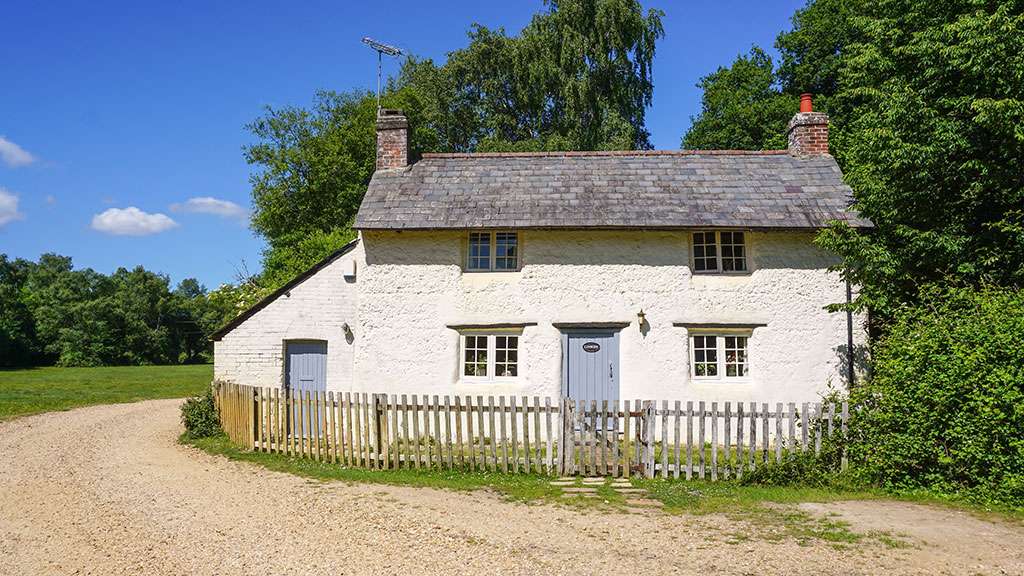
The countryside cottage, long the poster child of British property daydreams, is losing its grip on buyers. UK cottage prices have slipped into negative territory while the wider market keeps rising, and the number of people actively looking to buy a cottage has fallen by a third compared with three years ago, according to data from Zoopla, the property search website.
The average UK cottage is now worth £321,641, which is 0.3 per cent lower than a year ago. That may look marginal, but it stands in sharp contrast to the broader market, where house prices have risen by an average of 1.3 per cent over the past year, according to Zoopla.
From cottagecore boom to correction
Demand for cottages soared during the pandemic lockdowns as buyers chased space, fresh air and second homes, a rush amplified by the “cottagecore” trend on TikTok that romanticised simple rural living. Prices in the most picturesque corners of the country, including Devon, Cornwall and Pembrokeshire, rose dramatically.
That momentum has now reversed as employers order staff back to the office and the economics of a rural bolthole deteriorate.
“Cottages in picturesque rural or coastal areas have commanded strong buyer interest in recent years but the market reality has now shifted,” said Richard Donnell, executive director at Zoopla.
Donnell pointed to a combination of higher mortgage rates and extra taxes on second homeowners. In summer 2020 the average two year fixed mortgage rate was about 2 per cent, according to Moneyfacts. It now sits above 5 per cent.
The tax squeeze on second homes
Policy has compounded the pain. Buyers of an additional property now pay an extra 5 per cent in stamp duty, while local authorities can charge second homeowners a council tax premium of up to 100 per cent, doubling the standard bill.
The squeeze is not confined to cottages. Across the wider market, investment property sales have slumped as tax and duty hikes bite, and pressure is building for wholesale reform, with some economists calling for stamp duty and council tax to be replaced altogether.
Where values are falling fastest
Weaker demand is feeding through to transactions and prices. Zoopla’s data shows 13 per cent fewer cottage sales so far in 2026 than in the same period last year, while the number of cottages on the market has fallen by 9 per cent.
The steepest declines are in the very areas that boomed hardest. Cottage values in north Devon are down 6.1 per cent over the past year. In Ceredigion, where a punitive second homes crackdown has already tested owners’ resolve, prices have fallen 6 per cent. East Lindsey in Lincolnshire, which includes Skegness, is down 5.7 per cent.
In 18 of the 24 second home hotspots Zoopla analysed, cottage values have dropped faster than standard homes in the same postcodes. Even Cornwall, the UK’s largest single market for character cottages and second homes, has seen values decline by 1.3 per cent since last summer.
Nick Maud, lead analyst at Connells Group, said: “Part of the story is the unwinding of extraordinary gains made in the immediate aftermath of the pandemic. Demand and prices in picturesque, rural locations surged during the widely publicised ‘race for space’.”
He added: “Meanwhile, specific policies, such as the increased stamp duty surcharge and council tax premium for second homes, have also reduced the appeal of country boltholes for a certain kind of buyer. This means that many would-be sellers that bought in the last few years are finding out their home is no longer worth what they paid for it.”
What this means for investors
For investors, the repricing cuts both ways. Anyone who bought a rural or coastal cottage near the 2021 to 2022 peak may be sitting on paper losses, and holiday let operators face the same tax headwinds that are driving second homeowners out. But for patient buyers with strong financing, a market with falling prices, thinning competition and motivated sellers is precisely where negotiating power lives. If the tax regime stays hostile, expect further softening in the hotspots before value hunters move back in.