Rent controls ruled out, but landlords are not off the hook
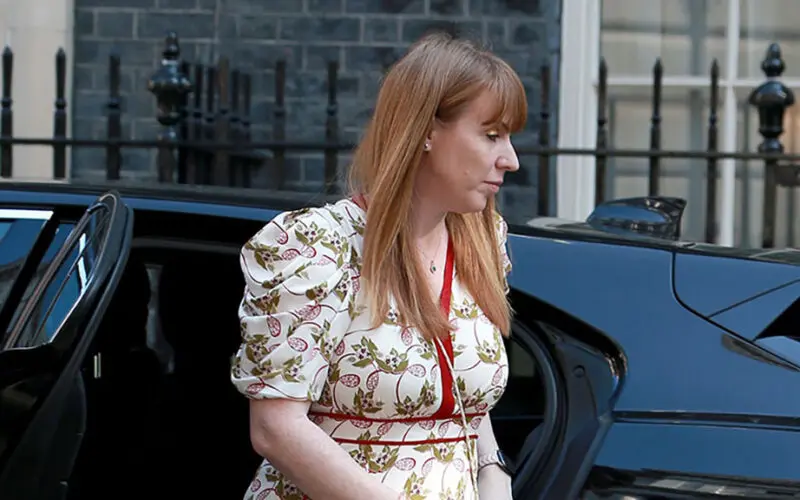
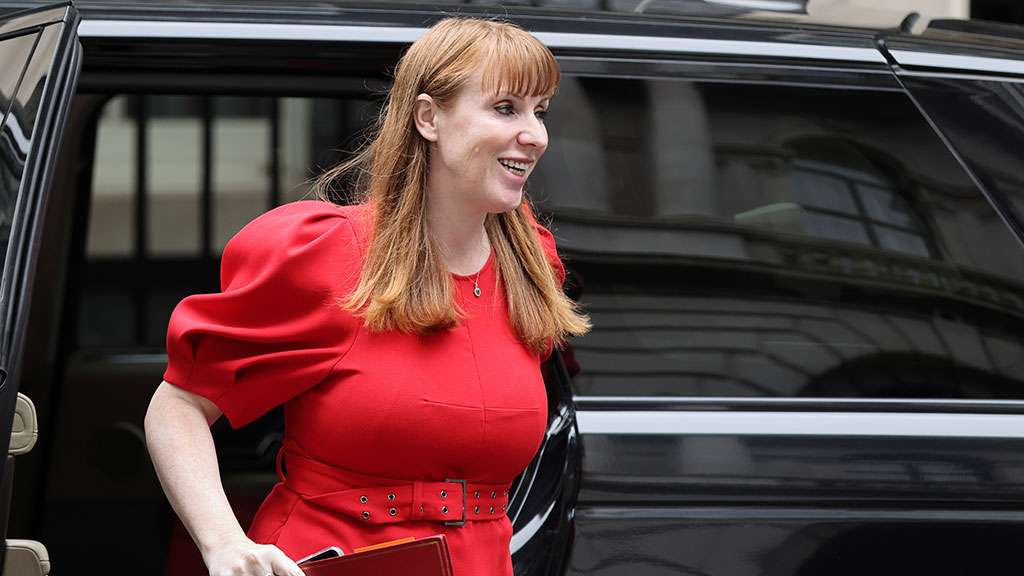
Landlords watching Westminster for the next threat to their yields have been handed a reprieve, of sorts. Rent controls have been ruled out by Housing Secretary Angela Rayner, just days after Prime Minister Andy Burnham said the Government was looking at rent freezes to help with the cost of living.
Speaking to BBC Breakfast, Rayner was unequivocal: “We won’t be looking at rent controls.” The reversal is the latest in a run of policy retreats that has made political risk harder to price for anyone invested in the private rented sector.
Why Rayner pointed to Scotland
Rayner grounded her rejection in the Scottish experience, which has become a cautionary tale for the sector. “That is not something that we’re looking to do because we’ve seen what’s happened in areas like Scotland. It hasn’t necessarily brought rents down,” she said.
Scotland introduced emergency rent measures in 2022, and the Scottish Government has since moved to a longer-term, evidence-based regime rather than a blanket freeze. Critics across the industry argue the caps deterred investment without delivering the promised relief for tenants.
Rayner insisted existing reforms were already working: the tools that let “people challenge rent hikes at tribunal” and stop tenants “being in bidding wars”, she said, are “having an impact on the market, which is more favorable to renters, and I think that’s a better way of stabilising the rental market”.
The Renters’ Rights Act is the real lever
For investors, the more telling detail is what Rayner offered in place of controls. She pointed squarely to the Renters’ Rights Act as the mechanism already shifting the balance towards tenants.
“I don’t think that freezing rent freezes, rent controls is a way forward at the moment,” she said, noting that Burnham had called for a freeze “three years ago… because there was a significant crisis in the rental market”. “We implemented between then the Renters’ Rights Act which is giving renters more power and control.”
The message for landlords is clear. The tribunal route for challenging increases, and the end of bidding wars, are now the Government’s preferred means of restraint, not caps. Landlord groups have warned that formal controls would only cause chaos by choking off supply in the private rented sector, a concern trade bodies such as Propertymark have raised repeatedly.
A government that keeps changing its mind
The retreat fits a wider pattern that should worry anyone modelling policy risk. In a huddle with journalists this week, Burnham had refused to rule freezes out, saying the Government was “looking at all of those things” and wanted “to do some things that people will feel and feel quite quickly”. He conceded it was “premature to say it will be any one of those particular things”.
That habit of musing aloud has caused repeated confusion. Burnham declined to rule out a 50p top rate of tax this week before aides clarified it would breach Labour’s manifesto. No10 dismissed his suggestion of raising the personal allowance threshold, which would cost the Treasury billions, only for the PM to insist it might feature in the Budget after all.
A Makerfield by-election pledge to compensate WASPI women was dropped once its £10 billion-plus cost became clear. His proposed land tax, replacing council tax and stamp duty with an annual levy on the undeveloped value of land, drew a warning even from his mentor Lord Blunkett that it would be a political nightmare, with modelling suggesting some households in London and the South East could pay tens of thousands of pounds a year and property prices could crash.
What this means for investors
The immediate takeaway is welcome: a blanket rent freeze is off the table, removing one acute threat to rental income. But “for now” is carrying a lot of weight. Rayner herself framed controls as “an aspiration”, and a government this prone to reversal offers little certainty to plan around.
The tighter constraint on returns was never going to be a cap in isolation. It is the Renters’ Rights Act and the tribunal system, already reshaping how and when rents can rise. Investors would do well to stress-test yields against regulatory friction rather than a single headline freeze, and to read the coming Budget closely for the next change of direction.