Investors watching the small print of stamp duty reclaims have a new precedent to work with, after HMRC lost its appeal against a ruling that hands billionaire developer Christian Candy £2.3m over a Chelsea mansion. The case turns on the stamp duty refund time limit, and on the difference between a 12 month window and a four year one.
HMRC will repay Mr Candy the £1.92m he originally paid, plus roughly £345,000 in interest, after losing an appeal on Tuesday against a first-tier tax tribunal decision handed down last year.
The tribunal judge found that Mr Candy had been in time to claim his money back, ruling that he had four years to do so rather than one.
How a £75m purchase became a double tax bill
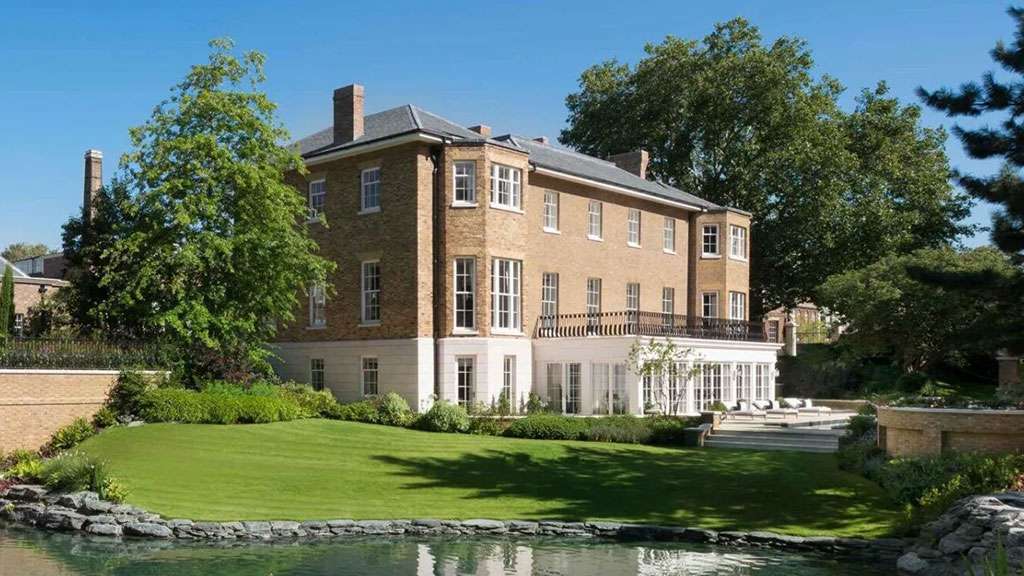
Mr Candy bought Providence House, a Grade II-listed property on the grounds of the Royal Hospital Chelsea, for around £75m in 2012. He paid stamp duty of £1.92m.
Two years later he transferred the home to his older brother Nick Candy, 53, the property developer and treasurer of Reform UK. Nick Candy also paid a stamp duty bill of £1.92m.
Christian Candy then sought a refund from HMRC on the grounds that tax had been paid twice on the same asset. He made the claim after 18 months.
HMRC argued that this was too late, pointing to the 12 month deadline that applies to amending a return. The tribunal disagreed, and the appeal decision has now upheld that view.
Why the four year window matters to investors
The distinction is not academic. Stamp duty rules require homeowners to claim a refund within 12 months of a return, but buyers have four years to request overpayment relief, a separate mechanism designed to correct mistakes.
For portfolio landlords and developers, who routinely restructure ownership between individuals, companies and trusts, that longer window is the more useful of the two. Intra-group transfers, corrected apportionments and misclassified mixed-use purchases are exactly the sort of errors that surface well after the first anniversary of a deal.
The ruling does not change the legislation. What it does is confirm that HMRC cannot use the shorter deadline to shut down a claim that properly belongs in the four year category, a position the department had been resisting.
That said, investors should not read the outcome as an invitation to relax. HMRC has been sharpening its data-matching capability against landlords, and staying compliant while claiming legitimate reliefs remains the harder discipline.
An HMRC spokesman said: “We note the decision and are carefully considering our next steps.” The Candy brothers declined to comment.
The property at the centre of it
Providence House, previously known as Gordon House, is reported to boast the largest garden in central London after Buckingham Palace. It has a private cinema, a 60ft underground swimming pool and a panic room, and was once home to Sir Robert Walpole, the first British prime minister.
Nick Candy sold it earlier this year for a reported £275m to Suneil Setiya, a financier and former Labour donor, in what has been described as Britain’s most expensive property deal. He had lived there with his wife, the actress and singer Holly Valance, until the couple announced their divorce in 2025.
His five-bedroom penthouse at One Hyde Park remains on the market with Sotheby’s at £175m. The brothers invested close to £1bn in the four 13-storey Knightsbridge blocks in the wake of the global financial crisis.
What this means for investors
The headline figure is eye-catching, but the transferable lesson is procedural. Any investor who suspects they have overpaid stamp duty on a transaction completed in the past four years now has firmer ground on which to test a claim, and less reason to accept a refusal based purely on timing.
That matters more than usual at the top of the market. Prime London values have already been knocked by successive tax changes, with Savills expecting prime central London to fall modestly again in 2026 before a slow five year recovery. Meanwhile speculation over a mansion tax continues to stall high-end sales.
In a market where capital growth is scarce, recovering tax you should never have paid is one of the few returns still fully within an investor’s control. Auditing the past four years of acquisitions would be a sensible place to start.