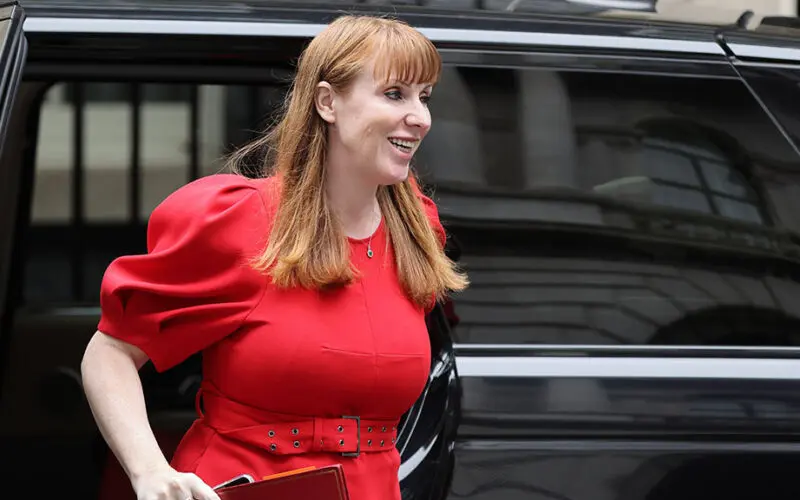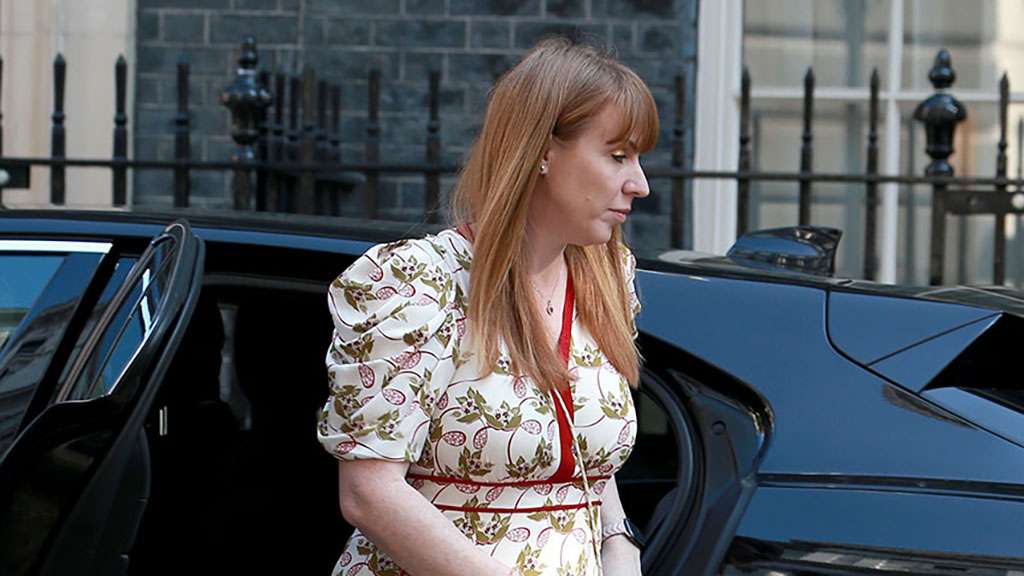
Angela Rayner is back as housing secretary, less than a year after the stamp duty row that ended her first spell in the job.
Her reappointment as secretary of state for housing, communities and local government came on 20 July 2026 as new prime minister Andy Burnham assembled his first cabinet, and it puts the architect of the Renters’ Rights Act back in charge of the portfolio that matters most to landlords.
For portfolio investors, the Angela Rayner housing secretary comeback is the single most consequential appointment of the reshuffle. Few politicians have shaped the private rented sector as directly as she has.
From stamp duty row to second act
Rayner held the housing brief, alongside the role of deputy prime minister, from 5 July 2024 to 5 September 2025, according to gov.uk. She left government in September 2025 after the prime minister’s ethics adviser, Sir Laurie Magnus, found she had breached the ministerial code over underpaid tax on a property purchase.
The affair began with her admission that she had underpaid stamp duty on an £800,000 Hove flat, a liability estimated at around £40,000. She has since been cleared of any wrongdoing by HMRC, according to reporting by LBC, clearing the path for her return.
Her predecessor Steve Reed, who took the brief after her departure, confirmed his exit on 20 July. “Serving as the Secretary of State for Housing, Communities and Local Government has been the honour of my life and although I am disappointed to be leaving government now, I wish your new team every success,” he said in a letter to the new prime minister, according to LabourList.
Why Angela Rayner as housing secretary matters for landlords
Rayner returns to implement the flagship legislation she designed. The Renters’ Rights Act received royal assent on 27 October 2025, and the abolition of Section 21 no fault evictions took effect on 1 May 2026, with the private rented sector database and the Decent Homes Standard due later this year. The government’s guide to the Renters’ Rights Act sets out the phased timetable.
Her first stint also produced Labour’s 1.5 million homes target and a planning overhaul that could open up green belt land for as many as 4 million homes. Investors should expect her to pick up both agendas at pace rather than pause for review.
That pace matters because the sector is already shrinking. Industry forecasts suggest 220,000 rental homes could leave the private rented sector in 2026 as regulation and costs bite. A returning secretary of state with unfinished business is unlikely to soften that regulatory direction.
A prime minister with housing at the centre
Rayner will serve a prime minister who has put housing at the heart of his programme. In his first speech outside Number 10, Burnham promised to build more council homes and said his first instruction in office would be “to end rough sleeping in our country”, according to LBC. He pledged to make the moment “a circuit-breaker for Britain” and trailed cost of living measures within days.
Burnham also appointed John Healey, himself a former housing minister, as chancellor, ITV News reported. That pairing suggests housing will carry unusual weight in spending decisions.
What this means for investors
Landlords should assume continuity, delivered faster. The remaining phases of the Renters’ Rights Act, the PRS database and the Decent Homes Standard now sit with a secretary of state who wrote the legislation and has a point to prove. Add a prime minister committed to council housebuilding and the direction of travel is towards more regulation of the private sector and more state supplied supply. Investors who plan for full compliance early, rather than waiting for enforcement, will be best placed for the Rayner second act.