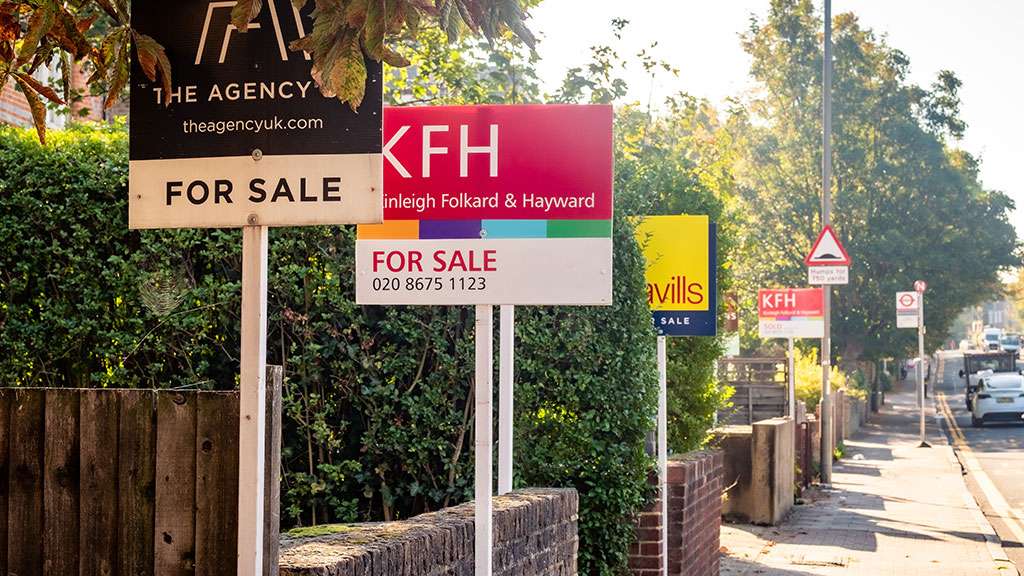
Britain’s youngest adults may be the most locked-out generation in living memory when it comes to buying their first home, but a growing cohort is refusing to wait its turn.
Rather than scrimping for a deposit on a flat they cannot afford, thousands of Gen Z entrepreneurs are setting up limited companies and quietly assembling buy-to-let portfolios in the regions, while continuing to rent in London and other high-cost cities.
Fresh analysis of Companies House records by insurer Hiscox, covering the financial years from 2012/13 through to 2024/25, shows that “letting and operating of own or leased real estate” now accounts for 4.7 per cent of all businesses run by Gen Z directors. That makes it the second most popular trade among under-28s, beaten only by retail sale via mail order, and ahead of any of the creator-economy ventures more commonly associated with the cohort.
Hiscox estimates that 18,304 Gen Z directors are now using a corporate structure to gain a foothold in the property market, sidestepping the deposit, stamp-duty and affordability hurdles that have shut so many of their peers out of owner-occupation.
The strategy is geographically pragmatic. Priced out of the capital, younger investors are buying where the maths still works.
“High property prices continue to make personal homeownership difficult, so many Gen Z investors see property investment as a different way to enter the market,” said Robin Edwards, buying agent at Curetons. “Often these Gen Z investors rent and work in cities like London, where it’s expensive to buy, so instead they invest in other regions of the UK with much cheaper property prices that offer better yields and more potential for capital growth.”
The phenomenon represents a notable inversion of the traditional ladder: the family home comes later, if at all, while the income-producing asset comes first.
Pure buy-to-let is not the only route. The Hiscox figures show “buying and selling of own real estate” ranking fifth among Gen Z trades, a category that captures everything from refurbishment-and-resale flips to speculative land plays.
“This can often refer to setting up companies for the trading and flipping of properties which are sold for a profit,” Edwards added. “It can also include land acquisition for development and speculative investments where properties are bought and held for value appreciation before resale. We’ve seen several young investors using this structure, often leveraging social media to document their progress and sometimes even attract funding.”
That last point is telling. The rise of property-focused influencers on TikTok, Instagram and YouTube has rebranded landlording, once a byword for grey-haired pension planning, as an aspirational pursuit for the under-30s. Refurb diaries, BRRR (buy, refurbish, rent, refinance) walkthroughs and HMO conversions now command audiences that rival mainstream financial commentary.
Edwards is quick to caution that the reality is rarely as photogenic as the feed. “Many are inspired by property influencers who have made the idea of property investment cool and more accessible. However, rising prices, mortgage restrictions and regulatory changes present challenges. So, while real estate remains a popular wealth-building strategy, it’s not always as straightforward as some may assume.”
He has a point. Section 24 tax changes, the Renters’ Rights Bill, tighter EPC requirements and a buy-to-let mortgage market still adjusting to higher base rates have all narrowed the margin for error. Limited-company ownership softens some of the income-tax pain but adds corporation tax, accountancy costs and lender complexity.
Nick Thornhill, direct and partnerships director at Hiscox, framed the trend as part of a broader entrepreneurial surge among the under-28s. “We’ve long believed that entrepreneurial spirit knows no age. The meteoric rise of Gen Z entrepreneurs shows that the next generation is taking an active involvement in business, they’re turning bold ideas into business ventures and taking on influential roles.”
For a generation routinely written off as priced out, the figures tell a more nuanced story. Britain’s housing market may have closed the front door on Gen Z owner-occupiers, but a determined minority is climbing in through the buy-to-let window, and turning rental income, rather than the family home, into their first rung on the ladder.