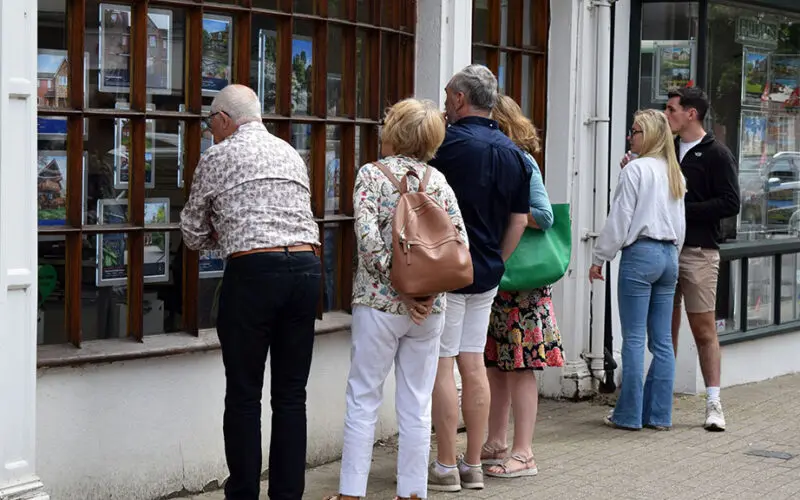
There is still no meaningful sign of economic growth returning to the UK property market, with both residential and commercial transactions showing a continued lack of confidence, according to analysis of the latest HMRC data.
Statistics released today show that residential property transactions totalled 103,330 in November, down 3 per cent compared with the same month last year. The figures suggest buyers remain reluctant to commit, despite modest falls in interest rates.
Heather Powell, a partner at audit, tax and advisory firm Blick Rothenberg, said the data exposed a disconnect between government ambition and market reality.
“There is no evidence of confidence returning to the market or of any real appetite to deliver the 1.5 million homes the government continues to cite as its target before August 2029,” she said.
Powell said ongoing concerns about job security and the cost of living were weighing heavily on household decision-making.
“While interest rates have edged down slightly, people remain worried about employment prospects and everyday costs. Buying a first home or moving up the ladder is one of the biggest financial commitments a family can make, and many are simply choosing to wait and see what the year brings.”
She added that subdued price growth, and in some parts of the South East, modest price falls, was reinforcing the incentive for buyers to hold back rather than rush into purchases.
Despite the government’s push to relax planning rules and accelerate the development of new towns, Powell warned that structural challenges within the housebuilding sector remain unresolved.
“Housebuilders continue to raise concerns about capacity in the sector and, crucially, whether families will be able to afford the homes being built. No developer will build homes they cannot sell at a profit, and that reality has to be addressed if delivery targets are to be met.”
The commercial property market, often viewed as a bellwether for wider economic confidence, is also sending worrying signals.
Sales of commercial buildings, including offices, factories, warehouses and logistics centres, totalled 11,240 in November 2025. While this represents a 12 per cent increase compared with November 2024, transactions were still 1 per cent lower than in October, pointing to an uneven and fragile recovery.
Powell said the lack of a sustained uplift in commercial property activity was particularly concerning given its role in underpinning economic growth.
“Commercial property is the infrastructure of the economy. Investors buy when they are confident businesses will pay rent, expand, and thrive. A strong rise in transactions is usually a clear signal of optimism. Those signals are missing right now.”
She added that businesses remain under pressure from rising labour costs, higher overheads and subdued consumer demand, with many households prioritising saving over spending.
“Until confidence improves on both sides — businesses investing and consumers spending — it’s hard to see how property markets can act as a driver of economic growth.”