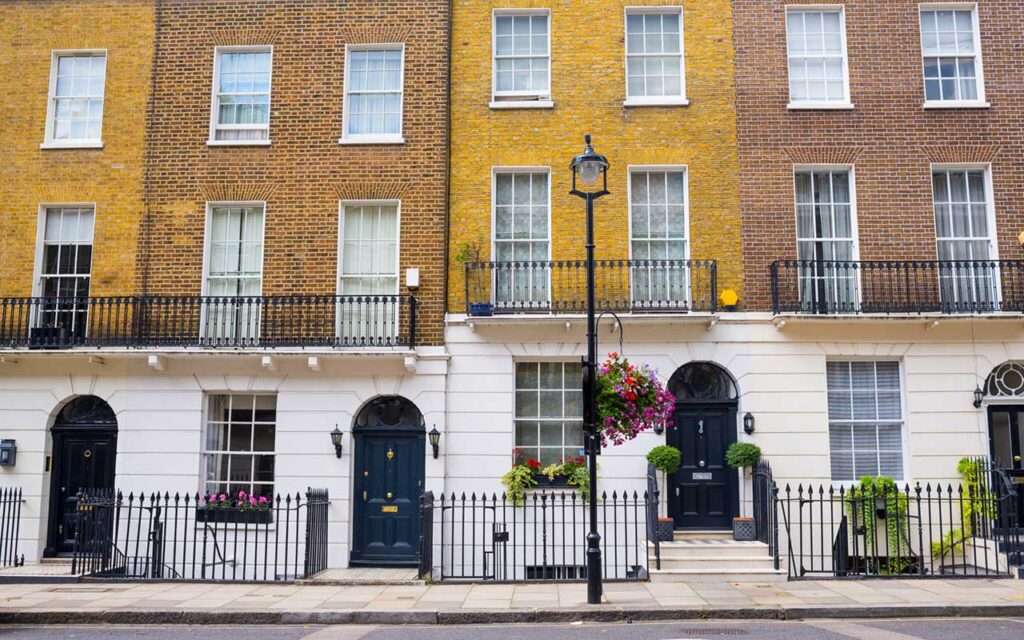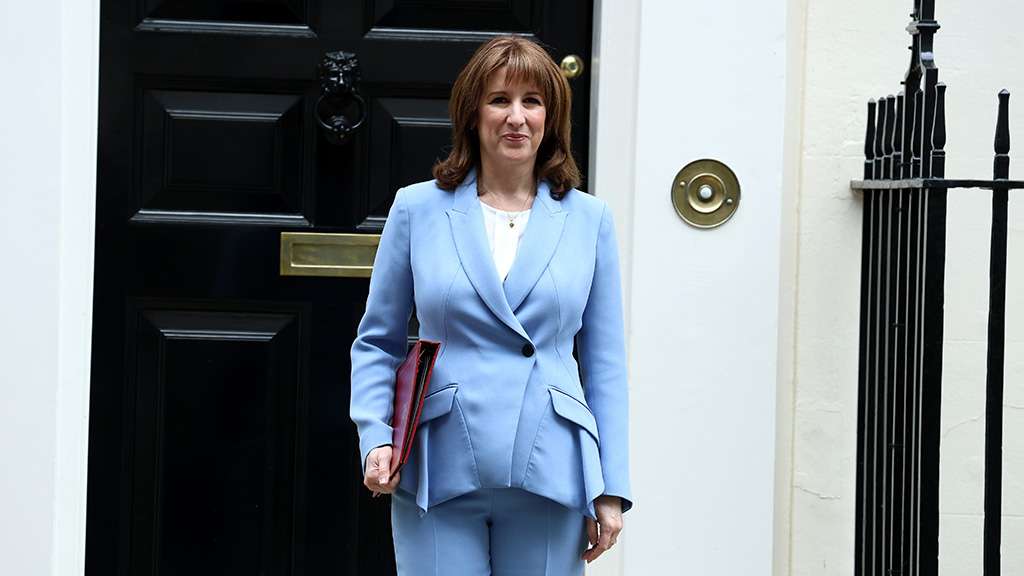
Rachel Reeves is preparing to perform one of the most striking U-turns of her chancellorship, with Treasury sources confirming she is actively examining a one-year freeze on private sector rents in England as the fallout from the war in Iran threatens to push millions of household budgets to breaking point.
Under proposals now circulating in Whitehall, landlords across England would be legally barred from increasing rents on existing tenancies for a twelve-month period. The measure forms part of a wider cost of living package the Treasury is expected to unveil in the coming weeks, and represents a dramatic departure from the chancellor’s previous insistence that rent controls had no place in Labour’s flagship Renters’ Rights Act, which takes effect on Friday.
The shift in tone has been driven, insiders say, by mounting alarm in Number 10 and the Treasury at the inflationary shock now rippling through the British economy following the closure of the Strait of Hormuz. With the International Monetary Fund this month warning that the UK faces the sharpest growth downgrade and joint highest inflation rate in the G7 in 2026, ministers are casting around for politically palatable interventions ahead of next month’s local elections, at which Labour is bracing for heavy losses to the Greens in urban heartlands.
For Britain’s roughly 2.3 million private landlords, the proposal will land as an unwelcome sequel to a year already dominated by regulatory upheaval. However, sources close to the chancellor stress that newly built homes are likely to be exempt from any freeze, in a calculated bid to preserve the development pipeline at a time when housing starts are tracking around a third below the level required to deliver Labour’s manifesto pledge of 1.5 million new homes this parliament.
The exemption will be cold comfort to buy-to-let investors holding stock in the existing private rented sector, where yields have been steadily eroded by tax changes, tightening EPC requirements and the abolition of Section 21 no-fault evictions. Mortgage costs, meanwhile, are now expected to remain elevated for longer than the City had anticipated only a fortnight ago, with swap rates ticking higher as traders price in a more hawkish Bank of England.
The National Residential Landlords Association did not mince its words. Chief executive Ben Beadle warned that any move to freeze rents would be “a disaster” for landlord and investor confidence, with potentially severe consequences for the supply of rental homes.
“Any hope of growing the market – or even retaining the homes that millions of families rely on – would be lost,” Mr Beadle said. “There is no evidence to suggest that it would make rents more affordable. In fact, the impact on supply would inevitably drive new rents still higher.”
He added that the very act of floating the proposal in the same week as the Renters’ Rights Act comes into force was “reckless”, and warned that for some landlords “it may be enough to conclude that this is the moment to exit the private rented sector for good”.
That sentiment was echoed by Robert Colvile, director of the Centre for Policy Studies, who described the proposal as “a mind-boggling scale of intervention in the private market”. Mr Colvile argued that “if the government wants to bring rents down it should build an awful lot more houses”.
Supporters of rent controls counter that the private rented sector has been suffering a chronic affordability crisis since well before the pandemic, and that the Iran-driven inflation shock simply demands an exceptional response. George Bangham, head of social policy at the New Economics Foundation, pointed out that England operated some form of rent regulation continuously between 1915 and 1989, and that comparable controls remain in place across much of western Europe.
“We know rent controls can fix an affordability crisis if done carefully,” Mr Bangham said. “We just need to be willing to impose them.”
Labour itself commissioned a report while in opposition from Stephen Cowan, leader of Hammersmith and Fulham council, which recommended capping rent rises in England and Wales at the lower of inflation or local wage growth. The proposal was quietly shelved when Labour took office, but is now understood to be back on the table alongside the more radical freeze option.
Britain would not be operating in isolation. Holyrood has already passed legislation enabling Scottish ministers to cap rents in designated pressure zones, while Spain has introduced a temporary mechanism allowing tenants to demand a freeze of up to two years. In Wales, Green Party leader Zack Polanski has called for a similar twelve-month freeze pending the introduction of permanent controls.
For property investors, the political signal is arguably more important than the policy detail. Even if the freeze is ultimately watered down or abandoned, the willingness of a Labour chancellor previously regarded as cautious on landlord taxation to entertain such an interventionist measure suggests the regulatory direction of travel for the private rented sector is now unambiguously one-way.
The Treasury declined to comment on what it described as “speculation”. A formal announcement, however, may now be only weeks away.